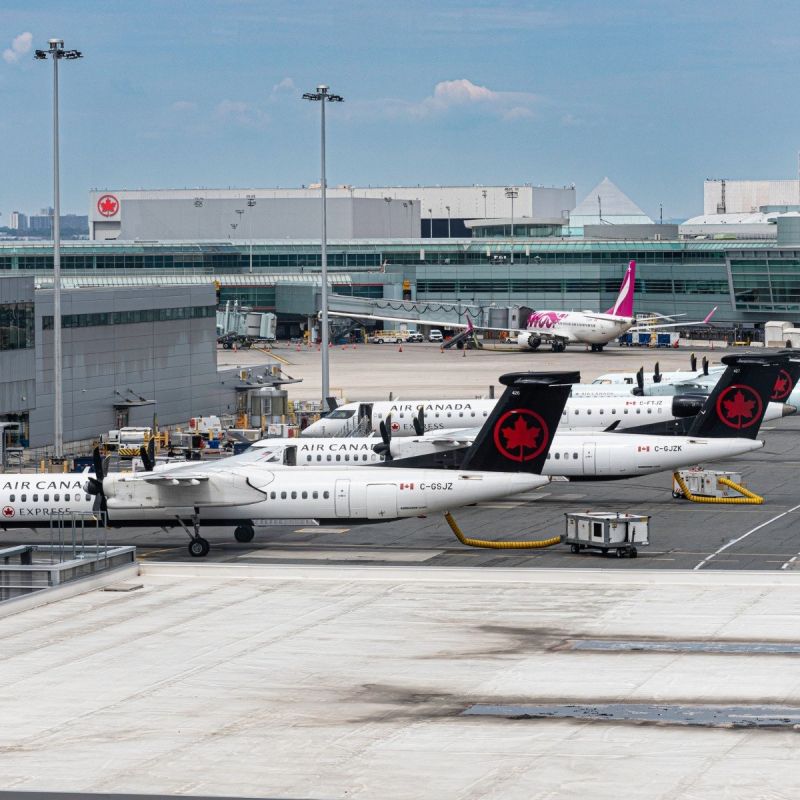
The strike by Air Canada flight attendants in August 2025 was one of the most visible job actions in a recent wave of labour disputes across Canada. While there are many factors that contribute to a strike, they are almost always a last-resort effort for employees who feel mistreated, underpaid, or otherwise disrespected by an employer.
For employers, this strike is a reminder of the importance of understanding not only the legal framework that governs unionized job action, but also the long-term consequences that can influence employee morale and labour relations. Strikes rarely occur without warning – there are usually multiple points along the way where employers can engage proactively, strengthen communication, or address issues before they escalate.
Large organizations in particular can face challenges when decision-making is centralized and there is significant distance between leadership and frontline workers. Without intentional communication and ongoing engagement, legitimate workplace concerns may go unnoticed, creating frustration that compounds over time.
What led to the Air Canada strike?
Air travel has undergone significant economic and structural shifts over the past several decades. Rising competition, deregulation in the late 20th century, and major global shifts such as the 2008 recession and the COVID-19 pandemic all contributed to shrinking profit margins for airlines across North America. As margins tightened, cost-reduction strategies often affected frontline workers, including flight attendants.
A central issue underlying the 2025 strike was compensation for “groundwork” – tasks performed before takeoff and after landing, such as boarding assistance, safety checks, and waiting between flights. Air Canada flight attendants have historically been paid only for time spent in the air, and their union, the Canadian Union of Public Employees (CUPE), estimated that members perform an average of 35 hours of unpaid work each month.
After months of unsuccessful bargaining, CUPE issued a strike notice and flight attendants walked off the job on August 16, leading to widespread delays and cancellations. Although the Canadian Industrial Relations Board issued a return-to-work order, the parties reached a tentative agreement on August 19, allowing flights to resume. However, when union members voted between August 27 and September 6, 99.1% rejected the proposed terms, citing ongoing concerns about compensation relative to total hours worked.
Both parties agreed to avert another strike, and the remaining issues have been referred to mediation and potential arbitration.
What employers should know about strikes
Unionized employees, whether covered by the Canada Labour Code or provincial legislation such as the B.C. Labour Relations Code, have the legal right to strike after attempting to resolve disputes through established bargaining processes. This is a right that is protected under the Charter of Rights and Freedoms. Employers should be familiar with the statutory framework that applies to their workplace, including rules governing essential services, strike notice, and bargaining obligations.
Strikes are a long-standing feature of labour relations and remain one of the most powerful tools available to employees when negotiations break down. Since the COVID-19 pandemic, job action has increased across multiple sectors, including education, public service, and transportation, often in response to wage erosion, reduced staffing, or the lingering effects of cost-saving measures.
Key lessons for employers
- Strikes are almost always a last resort. Job action typically follows extended periods of negotiation, unresolved concerns, or long-standing dissatisfaction. Employers who monitor workplace concerns and engage early can often prevent disputes from escalating. Employers should be aware of these issues going into collective bargaining, when strikes are more likely to be used if the parties reach an impasse.
- Understand the long-term impact of cost-cutting decisions. Short-term savings can have cumulative effects on employee morale, retention, and trust. Decisions that reduce compensation, eliminate amenities, or shift additional responsibilities onto employees may contribute to future labour instability.
- Identify employee priorities early. Employers should work to identify employee priorities to better understand their interests. Understanding their issues and interests will enable the employer to be more effective in collective bargaining.
- Align internal practices with legal standards. Ensure that policies on hours of work, pay, overtime, and working conditions comply with the applicable legislation (federal or provincial). Up-to-date policies reduce risk and support fair, consistent treatment across the organization.
- Communication and transparency matter. Even during financial pressure, employees respond favourably to employers who communicate openly, acknowledge challenges, and involve them in problem solving. Transparent dialogue can reduce conflict and support stronger labour-management relationships.
- Employee morale is a business consideration – not just a cultural one. Respectful treatment, recognition, and an investment in working conditions can significantly improve morale and reduce the likelihood of job action.
Takeaway for employers
The Air Canada strike illustrates how unresolved concerns around pay, working conditions, and communication can accumulate over time. For employers across all sectors, it’s a reminder that proactive engagement, long-term planning, and a clear understanding of legal obligations are critical to maintaining productive labour relations and reducing the risk of disruption.
If you have questions about managing labour relations or navigating job action in your workplace, contact our team – we’re here to help.